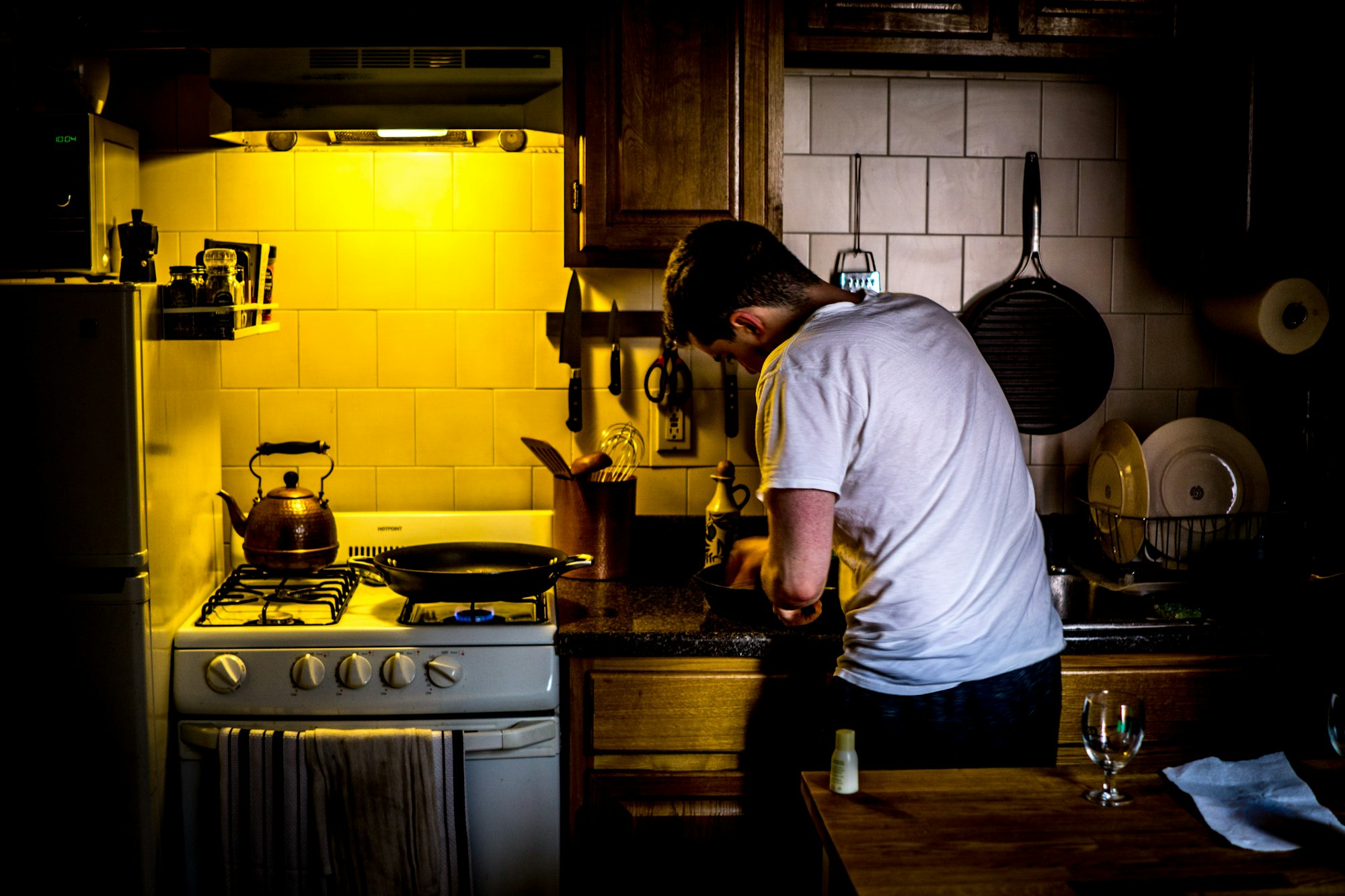
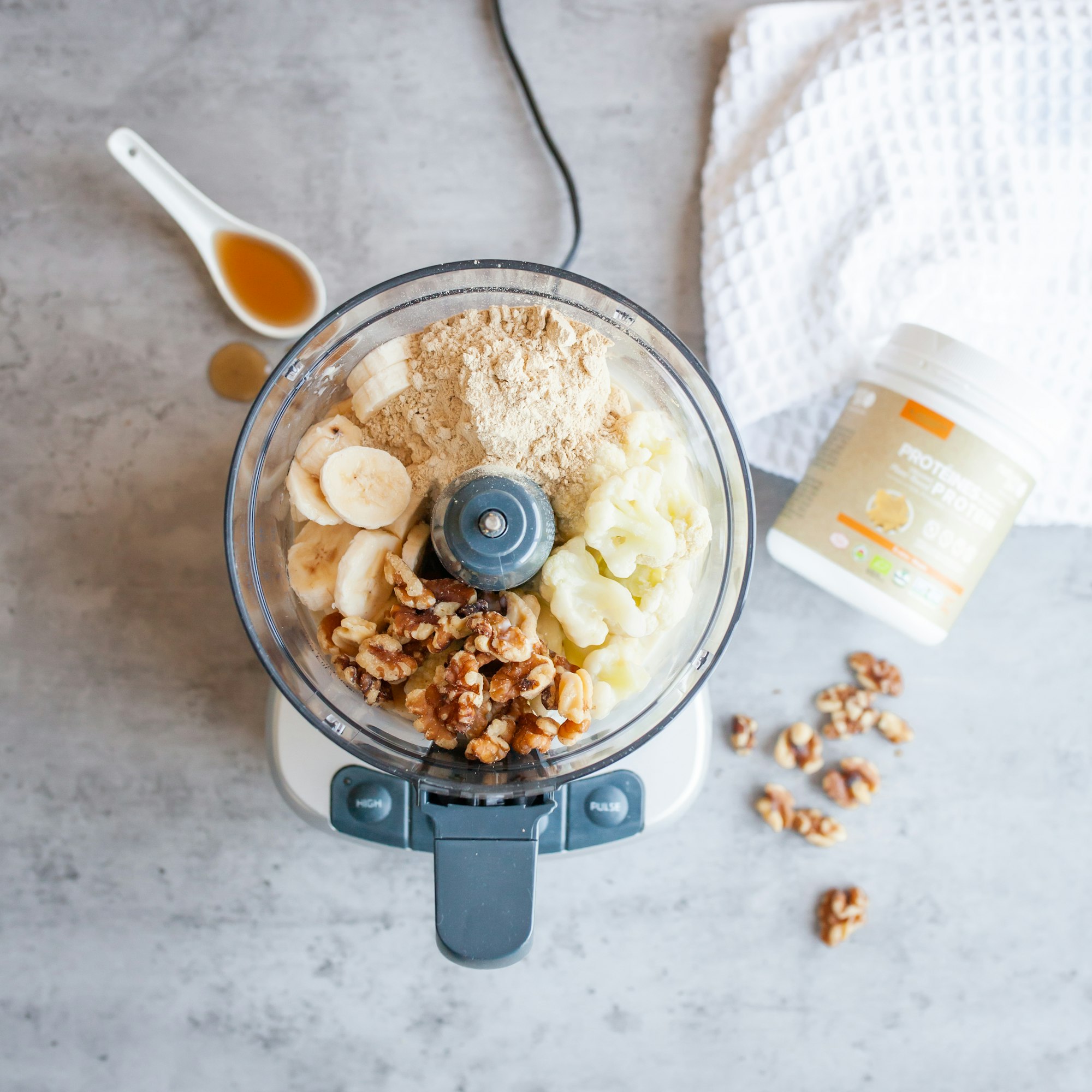
When Charles Fourier dreamt of kitchenless cities, I don’t think he imagined a future where medication would reduce our appetites down to that of a toddler’s. But the ubiquity of GLP-1 drugs is reconfiguring how we use our homes, at least according to the architects and interior designers of people who can afford such things (in this economy??). Architectural Digest notes that kitchens are becoming ghost towns, no longer serving as the ‘heart of the home’. Instead people want ‘stations’ that maximise nutrition and efficiency as they pass through; smoothie stations with inconspicuous blenders, under counter fridges, and specialised drawers for protein powders and supplements. ‘Beverage centers’ for prebiotic sodas and various other wellness tinctures and tonics. ‘Breakfast banquettes’ rather than full-scale kitchen tables. It makes sense; if you’re not eating full meals, why bother having a fully equipped kitchen? The author notes other changes; mini fridges in bathrooms and walk-in closets for GLP-1s, peptides, and beauty products. Cold plunges and steam showers in bathrooms as people become more invested in ‘wellness’ as a GLP-1 induced side-quest. Guest bedrooms are increasingly being converted into walk-in closets to fit all the new downsized clothes with wall-to-wall mirrors, because apparently people are more into their reflections when they’re thin.
Of course, AD speaks to a very specific, wealthy, American demographic, but really?? Have we no shame?
Black sesame, a long-used seed in Traditional Chinese Medicine for issues associated with the kidneys and liver, has found its way onto Tik Tok, with influencers claiming its high levels of copper, iron, zinc and vitamin E can help keep grey hairs at bay. The theory seems to be that copper plays a role in melanin production, responsible for giving hair its colour, so therefore eating black sesame can delay the onset of greys. Unsurprisingly, we don’t have any evidence for this, and according to the dermatologist consulted in this piece, the largest determinant of grey hairs is genetics, as well as being influenced by things like smoking and chronic stress. They still taste good on a stir fry though guys, so let’s not tarnish the sesame seeds here. And perhaps we can leave our grey hairs alone?
Journalist Natasha Hinde opened up a great conversation about how to respond to a child who asks if they are ‘fat’. This is something we discussed recently with body image researcher Garcia Ashdown-Franks and previously with fat activist Virgie Tovar - check out both of these pieces for tips. But one thing that occurred to me while reading Hinde’s piece was that she said they didn’t really talk about bodies in their home. I totally get that impulse; it can feel protective and we often hear the advice not to speak about your body negatively. But ignoring body difference seems to have backfired in this instance. We need to normalise body diversity (which is different from passing judgement or making unhelpful comments about a person’s body or part of their body). Books and media that have positive representations of fat characters can be a good place to start.
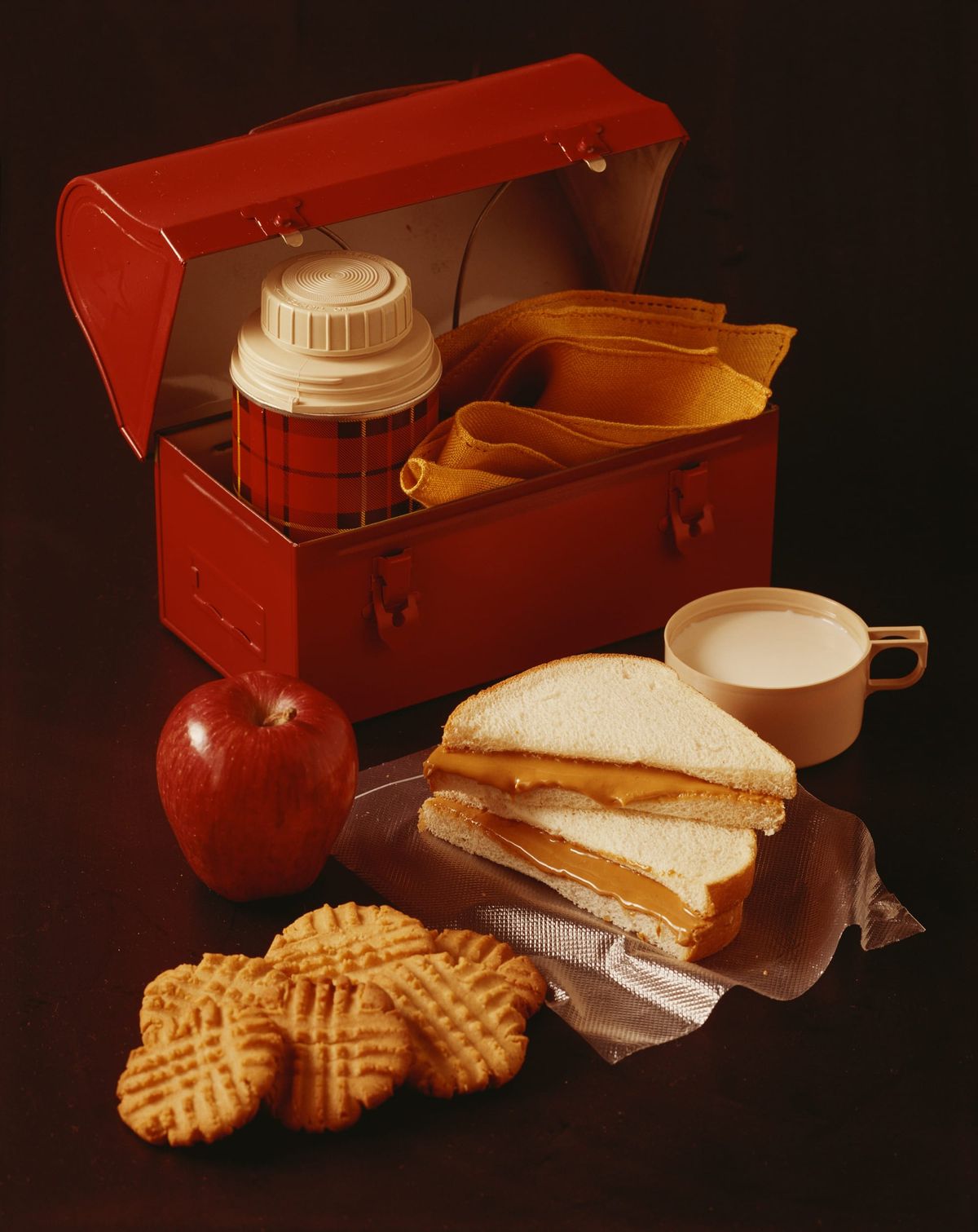
You say ‘complete nutrition solutions’, we say optimisation-culture milkshakes that taste like shit. Dairy giants Danone, Nestle and Lactalis have all recently acquired ‘smart food’ companies Huel, Protein Works and Yfood, respectively, representing their investment into what they perceive as changing consumer choices - whereby we don’t actually eat real food anymore, just chug a protein shake at our desks. It also evidences their belief in the ongoing infiltration of GLP-1s and their impact on consumer habits - typically those taking a GLP-1 for weight loss may find themselves reaching for products which profess to contain all the nutrients they need, when their appetite is so low. I don’t know about you, but I don’t want ‘smart food’ for lunch, I want a deep-filled ciabatta please.