In the Snackcord we've been talking a lot recently about how much rage-inducing kid-feeding advice seems to be flying around. Like this 'poison veggie' game: the premise being that kids take it in turns to pick a cut-up piece of pepper/carrot/any other veg off a plate, trying to avoid landing on the secret 'poison veggie'. Guaranteed, according to this babysitter-influencer, to get even the pickiest of kids screaming with joy whilst they eat their vegetables, allegedly.
In May's Nutrition in the News, we talked about how researchers are looking for ways to programme kids to like vegetables before they're even born, highlighting the lengths we're expected to go to prevent pickiness. But what happens if you chug kale juice when you're pregnant, only for your toddler to refuse anything that isn't beige?
I've written before about the cheap tricks we play on our kids to get them to eat certain foods, everything from sticker charts to a 'no-thank-you-bite' to dessert as reward for eating their peas. That these strategies are based on suspicion and manipulation instead of trust and supporting kids' drive for autonomy and connection. And even though I was talking about this over three years ago, Instagram is still awash with these 'tips' and 'tricks' to get your kids to eat the foods you want to them to eat.
So today I'm bringing one of my paid-for posts out of the archives - a timely reminder for anyone struggling with their kid's eating at the moment and finding themselves inundated with this sort of advice online, that these tactics do not work in the long run, and there is a better way. I'm making this post available for free subscribers as well, for one week only - so read it whilst you can (or upgrade your subscription here and get full-time access to the entire Kid Feeding archive plus our community chat room - The Snackcord where you can vent with other parents)
If you want to dig deeper into some of this, I have two other posts which you might find helpful. Or if you want to go a bit deeper, can check out last month's webinar recording, Raising Embodied Eaters.
Kid Food Instagram is awash with ‘tips’ and ‘tricks’ and ‘expert advice’ for getting your ‘picky’ eater to eat two goddamn peas. On top of perfectly curated bowls of organic, home-grown veggies and locally produced quinoa or whatever-the-fuck, parents, ok mothers, are expected to deploy a battery of strategies to ‘overcome’ their child’s ‘fussy’ eating and raise Good Citizens who like their broccoli as much as their cake. Allegedly.
Popular strategies include: sticker charts for finishing their fruits and vegetables, playing with food at the table (“can you show me how to chomp these peas like a dinosaur”), cutting shapes out of fruit and sandwiches with teeny tiny cookie cutters, and sticking little flags or forks in food. We’re taught to praise them for clearing their plates, or to hide veggies in their pasta sauce, or just to have a ‘no thank you bite’.
Some, maybe even most, of these ‘tips’ come from professionals - registered nutritionists and dieticians, doctors, psychologists, and feeding therapists. People who are ostensibly qualified, but seem to be missing something key about what kids actually need to eat well.
So, what’s the problem?
Well, maybe there isn’t one, and if these things work for you, then that’s cool.
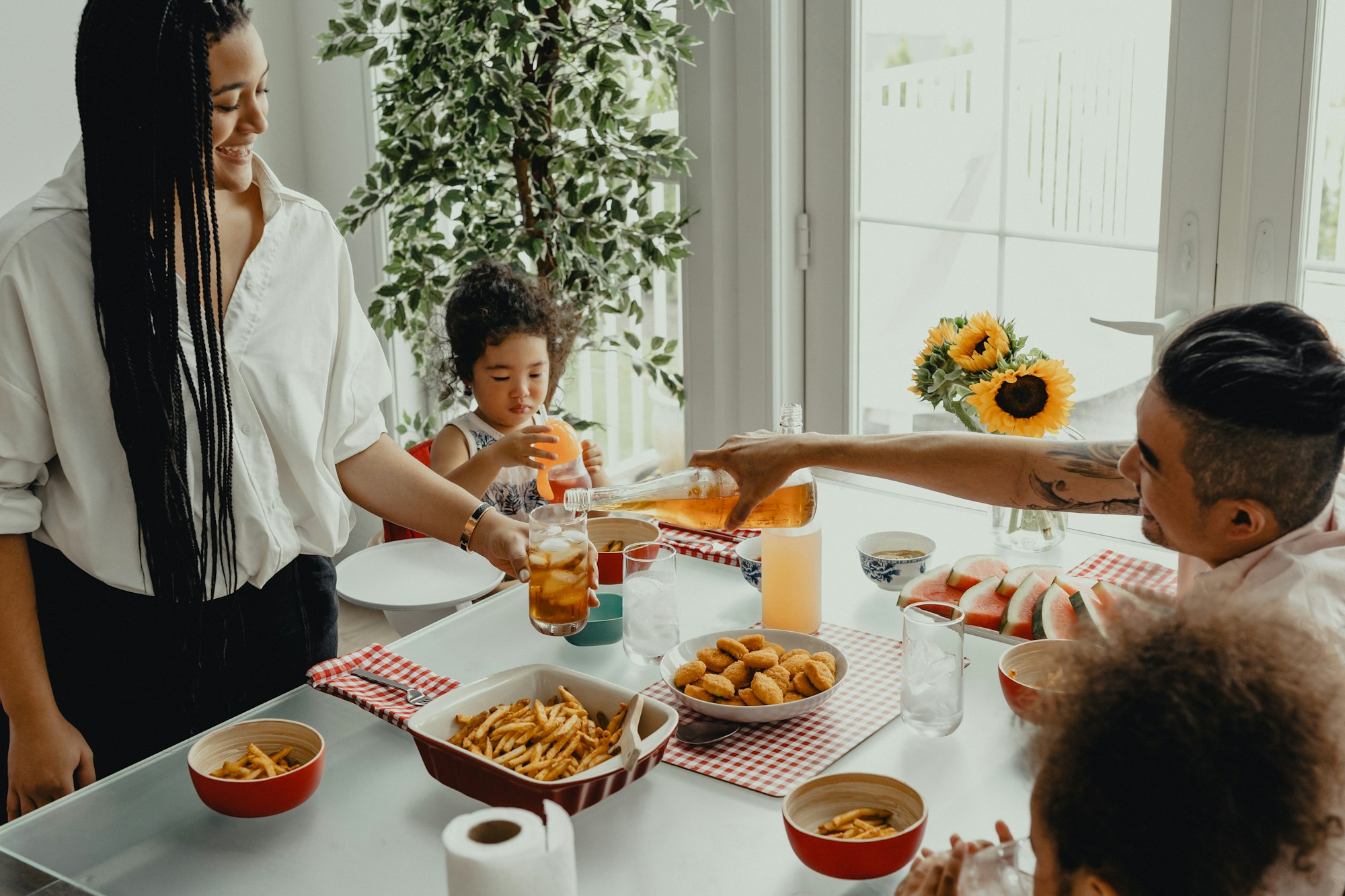
Unsplash x Getty Images
Here’s the deal: these strategies are based on external motivation. They build motivation outside of the child. Rewards, praise, fun shapes, games and so on, don’t help support a kid’s internal drive to eat.
And here’s the kicker - eating is internally motivated. It’s “I WANT TO DO IT” on overdrive.
The reason why lots of kids don’t respond well to all the tactics Instagram throws at you is because they perceive that their autonomy is being undermined. Just in the same way that kids have strong convictions about wearing their sparkly princess skirt and dinosaur onesie to the playground, they have clear and strong boundaries about what and how much they will eat.
This post is for paying subscribers only
Sign up now and upgrade your account to read the post and get access to the full library of posts for paying subscribers only.