Welcome to a new(ish) CIHAS series - monthly interviews with cool people doing interesting work. Whilst we've hit pause on the podcast, I've introduced a new written interview series with the kinds of people I would want to have on the podcast. People whose work makes my brain light up and I can't stop thinking about. I have a few people in mind – mostly academics – but if you have any recommendations then please drop names in the comments!
Today's interview is with the brilliant Miriam Collett, Lecturer in Children and Young People’s Nursing at the University of Salford and a registered School Nurse. Miriam is a weight-neutral practitioner and educator, who seeks to transform the experiences of healthcare for people in bigger bodies. Her work focuses on promoting equitable health for school-aged children, with a particular interest in weight stigma and public health. As a neurodivergent researcher with ADHD, she is passionate about making research more inclusive and accessible. I found our conversation really enlightening, and so interesting hearing about the history and present challenges of school nursing - I hope you do too! This is a long one, but really important. So grab yourself a snack and a nice drink and buckle in, you won't want to miss this!
Laura: Hi Miriam - thanks so much for joining us. Could you start by introducing yourself and saying a little bit about who you are and what you do?
Miriam: My name’s Miriam Collett, I am a lecturer in Children and Young People's Nursing at the University of Salford. I have spent 15 years working in the NHS prior to working as a lecturer, so I’ve been a lecturer for the last six years. I am a registered children’s nurse, a registered school nurse and I am currently very close to finishing a professional doctorate, which is similar to a PhD but more focused on solving a problem that you've seen in practice in the workplace; so usually done by people like nurses, social workers, teachers, that kind of thing.
The problem that my professional doctorate is looking at is how school nurses can engage with children and families around weight, their bodies, health and how we can do better. Various experiences I had as a school nurse and also as a person living in a bigger body made me think that we needed to do something different - I recognised that potentially our practice as school nurses was adding harm to children inadvertently, so we needed to think about approaching some things differently. I’m very much looking forward to handing in my doctorate and hopefully publishing a few articles and trying to do some work with school nurses and other teams across the country to try and change some of our services for the better.
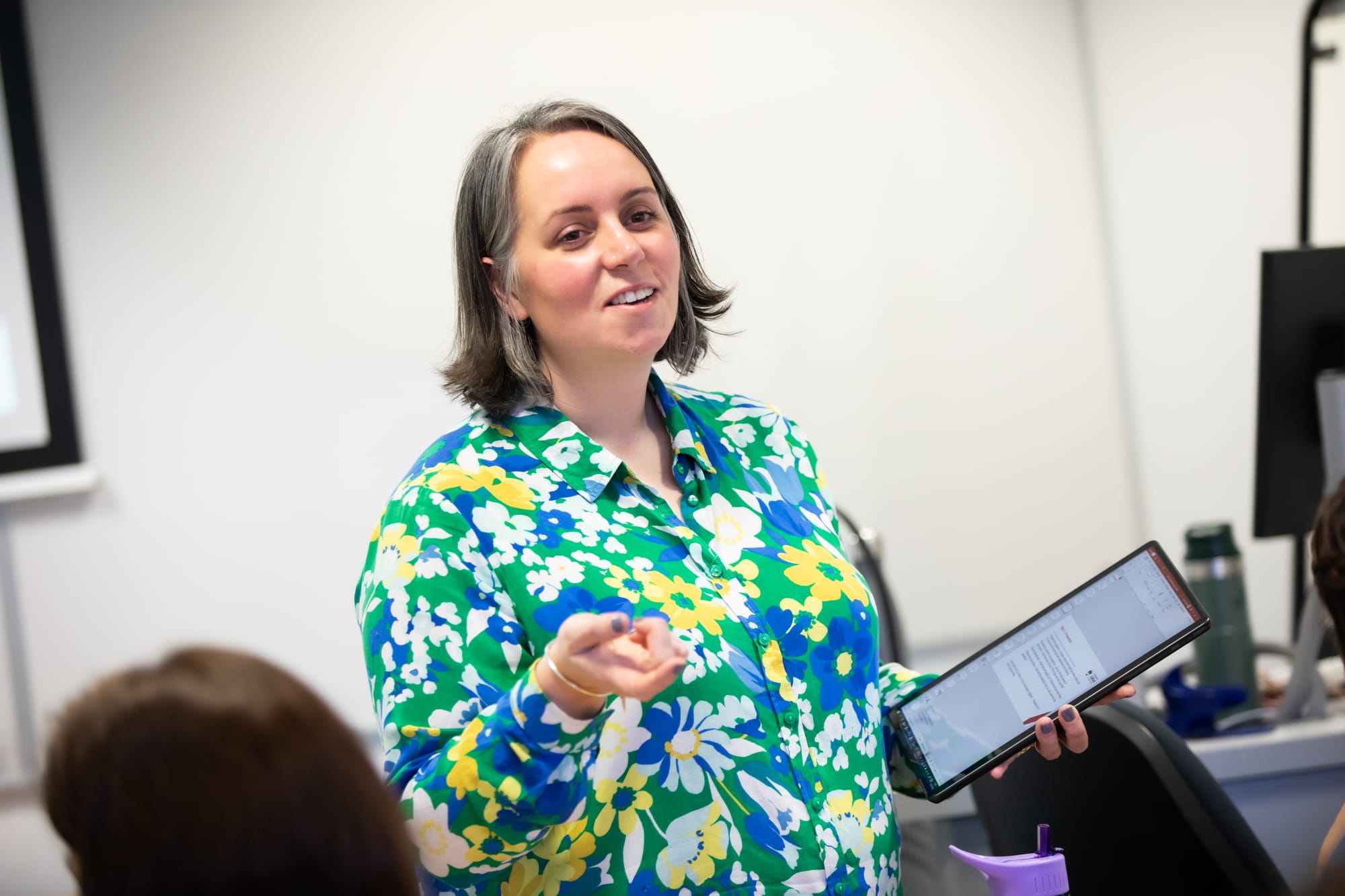
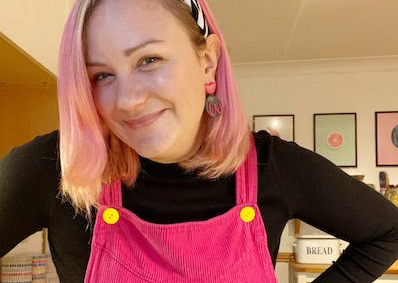
Today's interviewee, Miriam Collett
Laura:I’m really interested in the history of school nursing. It seems to me that it used to be a very comprehensive service that has been systematically decimated by austerity. School nursing has effectively been reduced to the NCMP and some hearing/eye tests. Can you tell us how school nursing used to function and what it looks like now?
Miriam: I'll start by saying that right now, when we talk about school nurses, we're talking about somebody who's gone back to university after being a qualified nurse already to do a postgraduate qualification to become a specialist community public health nurse in school-aged children. It's the same qualification that health visitors would do - health visitors focus on 0-5s and school nurses focus on 5-19s, sometimes a little bit older depending on whether they have complex needs, but generally speaking what we're talking about is children that have been to primary school and high school or been to college. That hasn't always been the case in terms of what school nursing is and I know that many people now would associate school nursing with getting hair checked for nits - we still get called ‘nitty nora’ a title which is quite hard to shake. We, as a profession, haven’t always had that recognition and that same qualification, that only really happened in the late ’90s where we were given the same sort of recognition in terms of nurse registration/training/expectations as health visitors, district nurses and other specialist community nurses. Many people would probably think that a school nurse is somebody that does a bit of first aid or maybe gives out medicine in school, but actually we don’t do any of that.
School nursing has its origins in the 1907 Amendment to the Education Act, where the government decided that they needed to do a school medical inspection on every child as they started primary school. This was based out of a concern for the potential future war that we might be going into and the worries that we wouldn't have a healthy population of adults that could be soldiers. There was a growing observation that in many areas of deprivation children were growing into adults who were chronically ‘sickly’, with developmental or physical health issues associated with poverty and malnutrition, things like scurvy or rickets. The medical assessment looked out for signs of these and also for things like lice - this is where we get the legacy of the nit nurse from - and worms and any other parasites. From a government perspective, the idea was that if we treat children early to make sure they’re healthy as they go through primary school and adulthood, we will have a stock of healthy adults that we can draw upon to be our army if we need them. So it didn't really start with a concern for child health generally, there was definitely a utilitarian approach to it, but the school medical inspection was led by a doctor and usually had a school nurse who assisted and then carried out any ongoing treatment for the child. So we had our roots there and that school entry health assessment has carried on for a very long time.
A key document that directs the school nursing role since 2009 is the government’s Healthy Child Programme. There's one for 0-5s, which the health visitors lead on, and one for 5-19s which school nurses lead on, and this sets out the expectations for when families and children should have contact with universal health services - so what routine screening, for example, everybody gets.
Most parents who’ve had a baby will have seen a health visitor - they have five visits under the age of 5, by a health visitor or someone within their team, essentially to try and identify any potential issues with growth; provide parenting support and make any referrals to address things as early as possible. For school age children, in the Healthy Child Programme there's some recommended health assessments at certain stages for school age children, one of them being school entry, another one is the transition point between primary school and high school so usually Year six/Year seven.
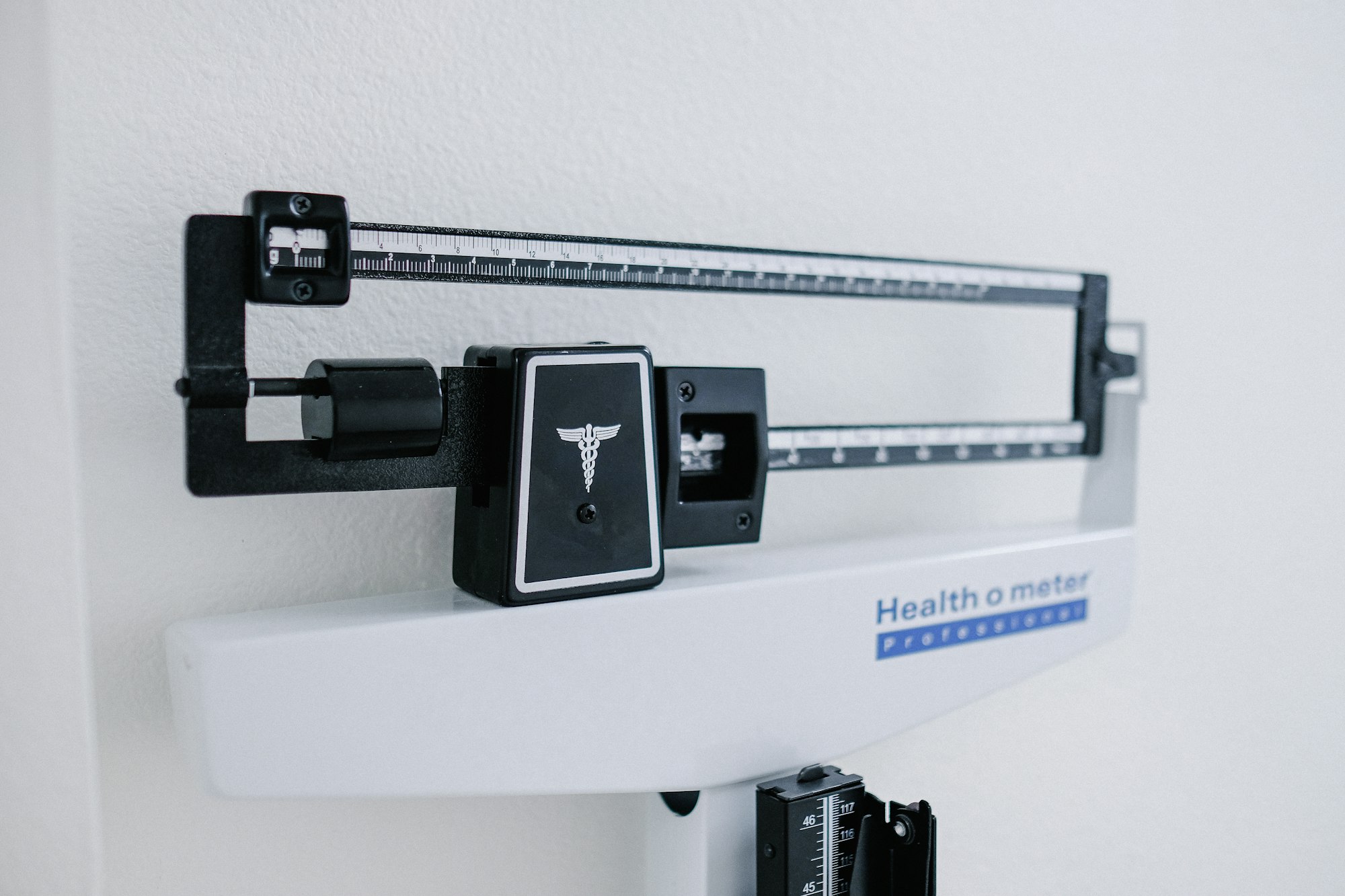
Now one of the big challenges around this is that the visits for under 5s are funded and mandated, so the local authorities are given money to make sure those visits happen. Whereas the visits for children over 5 are not mandated; there's no automatic funding that comes with them and the local authorities are only recommend to commissionthem. There's also very little detail around what exactly those visits have to include. When I first started as a staff nurse working in a school nursing team in 2007, so that's nearly 20 years ago, I met every single Reception child with their parent and did a very holistic health assessment, looking at their fine and gross motor skills; talking about routines, things like are they toilet trained; any issues around bed wetting; their emotional social development. We also looked at things like their height and weight which we checked in relation to their growth - usually it was focusing more on spotting signs of underdevelopment rather than being ‘overweight’. We would check the vision and hearing as well, so the idea being that things that would definitely impact their ability to learn, like can they see the board, can they walk, can they go to the toilet on their own etc, we would start addressing those early at the start of Reception. Now that contact has been eroded over time, partly due to the introduction of the National Child Measurement Programme, partly due to austerity under the Tories, and rather than it being a holistic health assessment at school entry or the transition from primary school to high school with a registered nurse, it has now become a data collection of height and weight, really in the context of ‘ob*sity screening’.