We’ve spent a lot of time talking about foodwork in this newsletter; why it feels so hard and alienating; how we’re trying to make it suck less in the here and now; and utopian dreams of a future where we all do less foodwork. A lot of what I’ve written about here has been theoretical and somewhat abstract, so I figured it might be helpful to pull it down to earth a bit and show how real people up and down the country (and around the world) are making it work day-to-day. The Foodwork Diaries is a new, recurring series on CIHAS showing the reality of feeding kids and families.
Feeding kids can feel like a blood sport; social media is full of smug recipes for hidden veg this and high protein that - most of which, no real child will actually eat. We read articles daily – mostly from The Guardian’s Intensive Feeding Standards desk – telling us how sugar or UPFs are killing our kids and we need to make chicken nuggets from scratch. We’re expected to raise adventurous eaters who love broccoli as much as they love cake (lol), but nobody talks about the demanding mental, physical, and emotional labour – the foodwork – required. This work, more often than not, falls on mothers, and we’re told to do it all with a smile. Good mothers raise good eaters.
The idea behind this series is to highlight how much work it actually takes to get food on the plate, and to normalise imperfect eating. Most parents have competing demands – work inside and outside of the home/disability/illness/caring responsibilities/community work, never-mind trying to have some semblance of rest or leisure – that make it impossible to cook everything from scratch each night. Yet we are expected to martyr ourselves to make sure there is not a UPF in sight. In this series I want to show that there isn’t a singular ‘right’ way to feed families, and that we’re all doing what we can to survive in this hellscape. Often this means throwing a box of fish fingers in the air fryer and calling it a day.
I hope that by showing how real kids and families are eating – not the highly staged glossy social media bento box – that we can all feel a bit better about what we’re doing at home, and maybe get a few ideas.
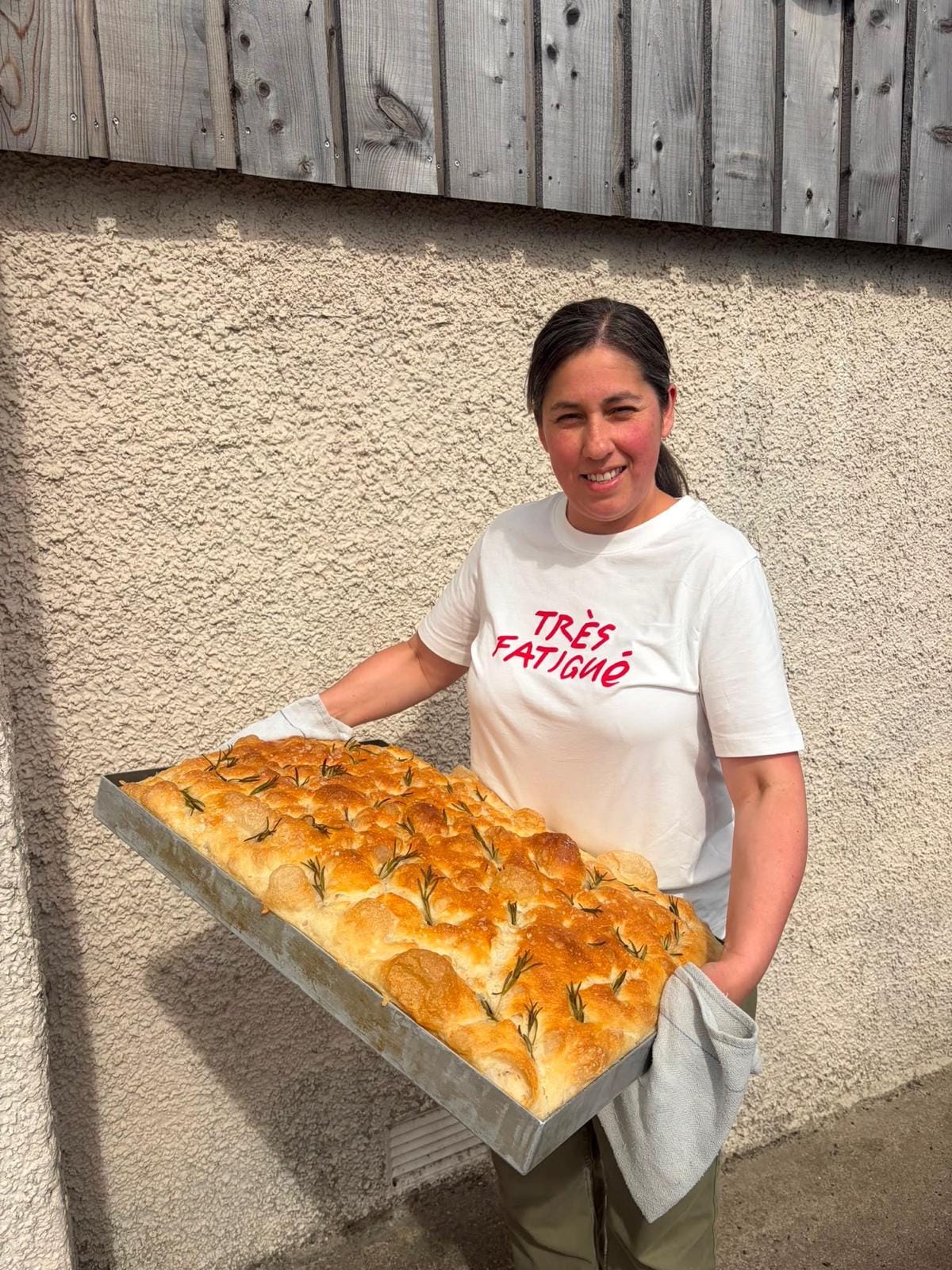
First up is my friend Maritza, who I bullied into doing this for me 😈. She’s a trained chef living in Scotland whose kid sometimes eats cereal for dinner. I sent her some questions about how foodwork is divided in her house, who carries the mental and physical load, and what a few days of eating looks like for her 6yo.
We’ll get to Maritza in a second, but before we do, if you, or someone you know, think you’d be a good fit for the next instalment of The Foodwork Diaries, then you can answer a few questions about yourself and your situation here. If we want to cover your story in more depth then we’ll get in touch to send you the full set of Qs. I want to make sure to capture a variety of experiences, not just those that reflect the weird middle-class London bubble I live in. If you’re a single parent, queer parent, fat or disabled parent, are living on a low income, are living internationally, or just have an interesting setup (maybe you live in a mommune??) then we want to hear from you. Also if your kid(s) have feeding differences, I'd love to highlight your experiences feeding them. All contributors will be offered an annual subscription to CIHAS but I would love to be able to offer marginalised folks an honorarium on top of this. This can only happen if enough people become paid subs. So this instalment of The Foodwork Diaries is free, but going forward they will be paywalled. Thanks for your continued support of the newsletter.
Hey! My name is Maritza, I live in the North East of Scotland, in a small village with my partner Paul, six-year-old son Ethan, and dog Carson.
For the last 17 years I have been working in the catering industry, first as a chef and then as a baker. Re-training as a baker allowed me to free up time to be with Ethan and manage the chaos of childcare better.
Being brought up in a multi-cultured family has really made a huge impact on my relationship with food. Having a Chilean dad and Scottish mum has made for some interesting eating. We were always an “ingredients house”. Everything was freshly made and very rarely did we have pre-made foods, which growing up I didn’t think anything of. Now, having my own family to feed, I can fully feel the pressure of this. My mum was a stay-at-home-mum. This allowed her the time to make all our meals. I, however, work 40+ hours a week, and although I would have liked to have given Ethan what my mum gave me, it just isn’t possible.
Ethan attends the local primary school. Prior to this he attended an outdoor all year round nursery. At the nursery we had to supply lunches and I'm not even going to pretend that he didn’t eat ham sandwiches or tinned tomato soup three-days-a-week for three years. Yes, I could have made him more adventurous lunch boxes – ones that we see on Instagram. Would he have eaten it all? Maybe. A maybe isn’t good enough in the snow for eight-hours-a-day. But a tin of Heinz Tomato soup with crackers is a guarantee. I always felt an underlying guilt that I wasn’t giving him homemade soup (it was my job to make soup at one point!). But what kid wants that? So after a while I accepted that this was what he would eat and it would keep him warm and full for the day.
Maritza, today's interviewee
What are meals like in your home?
Breakfasts really vary in our house. I work early hours so it’s down to Paul. Breakfast has always been Ethan’s biggest meal. Usually he would have a bowl of cereal or porridge, followed by toast or a bagel. A couple of bits of fruit and if we have them in, a brioche (those pre-made choc chip ones from the supermarket). He’ll nibble it on the way to school.
This post is free to read
Enter your email address to read this post and our library of free posts.