Last weekend I was standing outside of Climpson’s on Broadway Market – one of the few places in east London where an ofw still costs less than £4 – when I overheard two women in their 20s unironically declare they were both Barry’s Girls. Barry’s refers to the bootcamp-style gym which costs 7 ofws per class. It was a Saturday; these Barry’s Girls were there for the market; tourists in effect. Not tourist tourists, but temporary transplants to the city. They had the kind of energy that a decade or more of London knocks out of you; the kind of energy where you dawdle on the streets; the kind of energy where you wear athleisure as a sartorial choice rather than out of necessity; the kind of energy where you brand yourself as a particular kind of girl.
If you really like something, you’re a ’ ____ girl’, a ‘pasta girl’, ‘a wellness girl’, ‘a Heated Rivalry girl’ – clearly I have no idea what the girlies are up to, but you get the idea. This preoccupation with distilling our entire multifaceted human existence down to one or two primary interests can be traced to the epicentre of all cultural phenomenon: TikTok.
It all started with Girl Dinner. TikTok user Olivia Maher described her meal of bread, cheese, pickles, and grapes as ‘Girl Dinner’ and the internet went wild for it. In essence, Girl Dinner is an assortment of foods that need little-to-no preparation, piled on a plate. Think: crackers, chunks of sourdough, fancy cheeses, deli meats, ready made dips and spreads, tortillas and guac, raw veggies, antipasti. Oh, and wine. Girl Dinner is usually a solo endeavour – when there are no housemates, partners, or kids around. Its luxury lies in the unabashed rot; eating on the couch in your PJs in front of your favourite show.
Girl Dinner serves a specific function; it’s a rejection of foodwork. No meal planning, no food budgeting, no weekend meal prep, no checking the fridge or pantry to see what you have and trying to reverse engineer a meal; minimal effort and only a single plate to wash at the end. And, critically, there’s no navigating the food preferences of either men or kids.
People have grumbled, somewhat cynically I think, that Girl Dinner is just a charcuterie board. And while the internet is doing the most to make Girl Dinner an aesthetic – see this 30-ingredient ‘girl dinner’ for example – that undermines the spirit of Girl Dinner. Girl Dinner is about ease, fun, and spontaneity. A charcuterie board on the other hand is about the optics; it’s preconceived and manufactured for a particular gaze: date night, a ‘casual’ dinner party that is anything but.
Like any food trend, Girl Dinner is vulnerable to exploitation. A number of commentators have noted that Girl Dinner might just be masking an eating disorder, pointing to the small portion sizes and raw veggie sticks. Again, I think this is a cynical take. Firstly, Girl Dinner is about satiating your appetite and eating opulent foods. Secondly, an eating disorder will manifest regardless of whether a meal is just a composition of packaged snacks on a plate or a cooked meal. That’s not to say that anti-fatness and diet culture don’t collide with Girl Dinner, they absolutely do, but that’s not Girl Dinner’s fault.
Girl Dinner, in its fullest expression, is about rejecting patriarchal expectations of how women should eat, including the diktat to perpetually under-feed oneself. For most of us, the last time was when we truly followed our appetites was when we were girls, before we had internalised the rules and expectations of womanhood. Girl Dinner is about rejecting the mandate of subservience; of fulfilling a domestic role that reproduces trad wife-y gender norms.
Ok, maybe it’s not that deep. But I think it at least speaks to an exhaustion women have with the relentless task of feeding themselves and others; of foodwork. On top of all the other shit that’s expected of them: beauty work, body work, work work, emotional labour, hermeneutic labour, reproductive labour, and so on, and so on.
If Girl Dinner represents a rejection, or at least a temporary opt-out of foodwork, then what happens when you have small humans dependent on your foodwork to feed them?
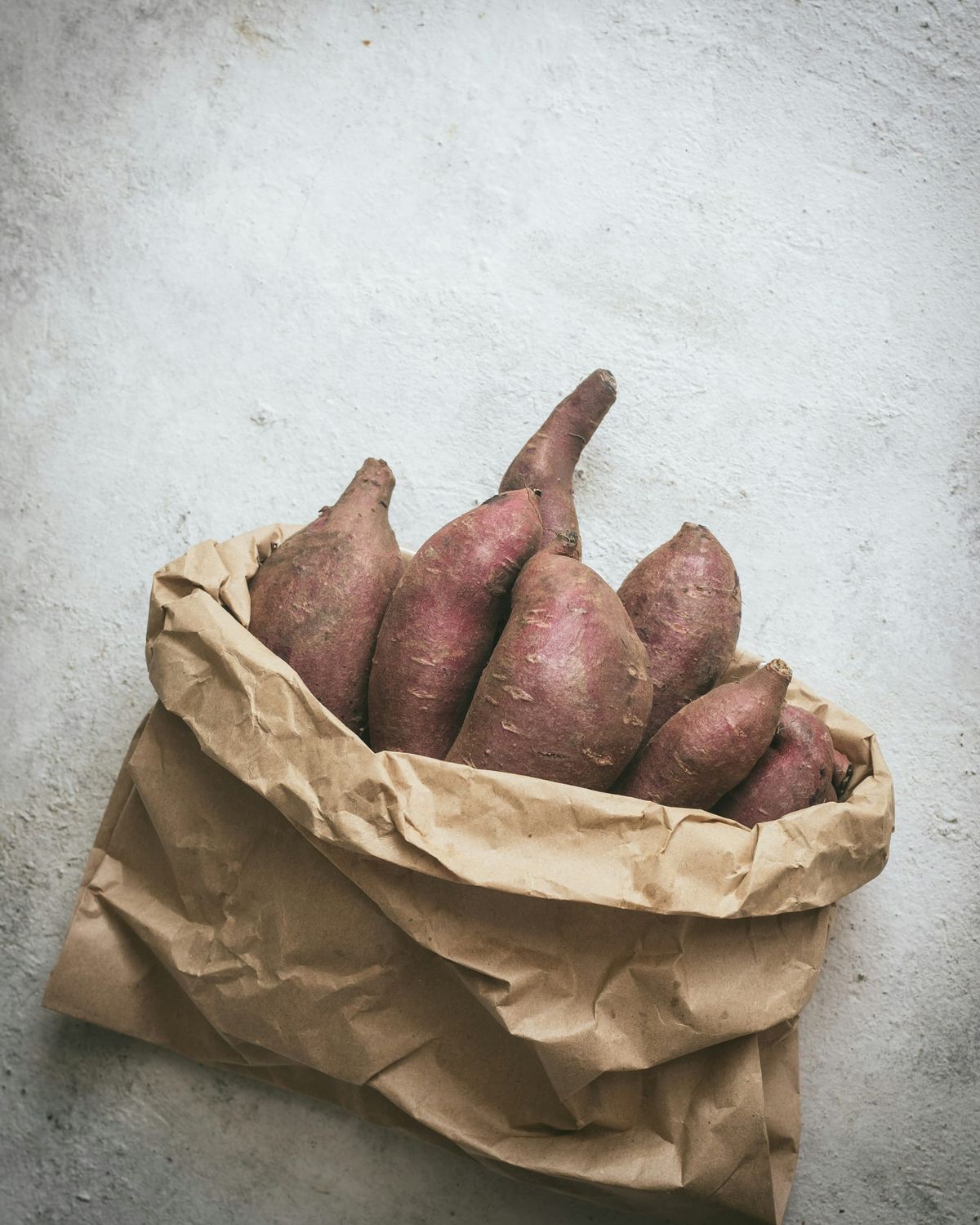
Over the years I've worked with a lot of parents. Specifically mothers. And I've heard a variation of the same story from them over and over again. They cook elaborate meals for their children. Organic. Local. Nutrient Dense. Intentional. Clean. No UPFs. Shepherd's pies with lentils and sweet potatoes. Salmon broccoli and quinoa bites. Pea and asparagus orzo. They spend hours and hours researching recipes, planning meals, sourcing ingredients, cooking, and cleaning. They feed their kids, bathe them, and get them into bed.
And then.
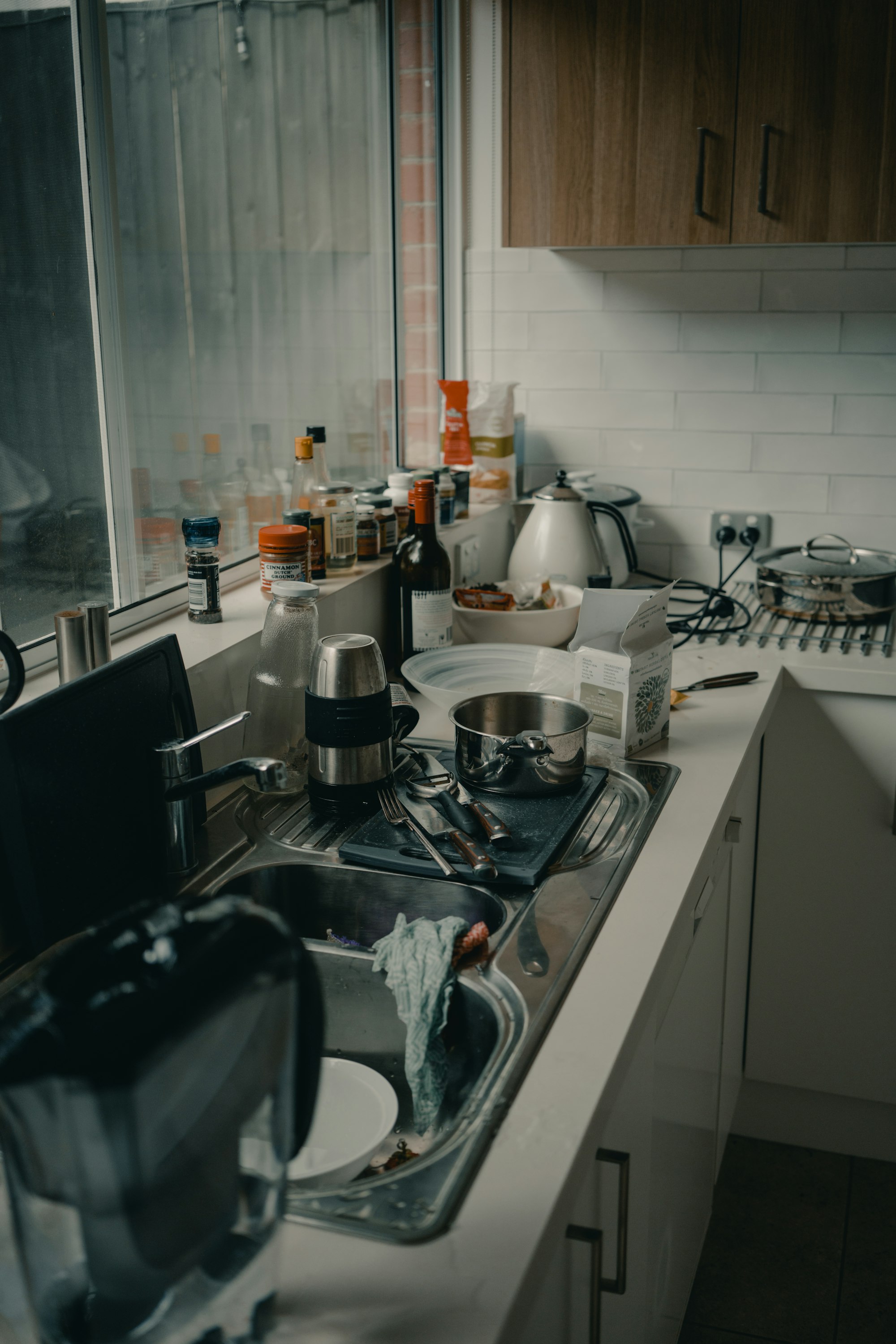
They eat toast.
This is Mum Dinner.
This post is free to read
Enter your email address to read this post and our library of free posts.