When I started this newsletter (three and a half years ago now), I knew I wanted to write about Jamie Oliver in one way or another. The hard part was honing in on what exactly to say. Is it his lasting impact on school lunches some 20 years after Jamie’s School Dinners? Is it him having a go at parents passing burgers through the school gates? Is it his war on BOGOFs and 2-for-1 deals? Is it his unrelenting quest to make poor people act more middle class? Or his role in getting the sugar tax passed?
Whatever it is, it’s not the food.
In September last year, Oliver released his 35th cookbook: Eat Yourself Healthy. Somewhat unbelievably, this is the first that is overtly a lifestyle plan. And of course, as is trademark Oliver, there’s a TV series to accompany it. As a result, the publicity machine has been churning out Jamie Oliver content and he seems to be all over my Instagram feed (it doesn’t help that people keep sending me reels of that unhinged Radio 4 interview). But this current iteration of Oliver provides a good opportunity to check in. I’ll share that essay with you next week. But in the meantime, and by way of orientation, I’ve asked Jennifer to compile a timeline of the last (nearly) thirty years that Jamie Oliver has been in the public eye. So here we go - from Naked Chef to Salad Shagger - let’s take a look at Jamie Oliver’s career.
After leaving school at 16 and gaining an NVQ in home economics from college, Jamie Oliver began working as a pastry chef at Antonio Carluccio’s Neal Street restaurant, followed by sous-chef at Fulham’s River Cafe. It was here he was spotted by the BBC following an unscripted appearance in a Christmas documentary on the restaurant, and his debut TV series The Naked Chefpremiered on BBC Two in 1999. In what would become Oliver’s trademark book-and-TV-series package, the accompanying cookbook of the same name became a UK bestseller, with the premise being simple, no-frills cooking stripped back to basics. The TV show was a hit, with two subsequent series: Return of the Naked Chef and Happy Days with The Naked Chef. The provocative name fit the anti-elitist cultural mood of ‘90s Britain - the era of Britpop and lad culture - and got Oliver noticed as the antithesis to older, more formal chefs in the public eye. His personal brand as an unpolished, relatable young Essex lad who simply wanted to help you cook easy ‘grub’ took off.
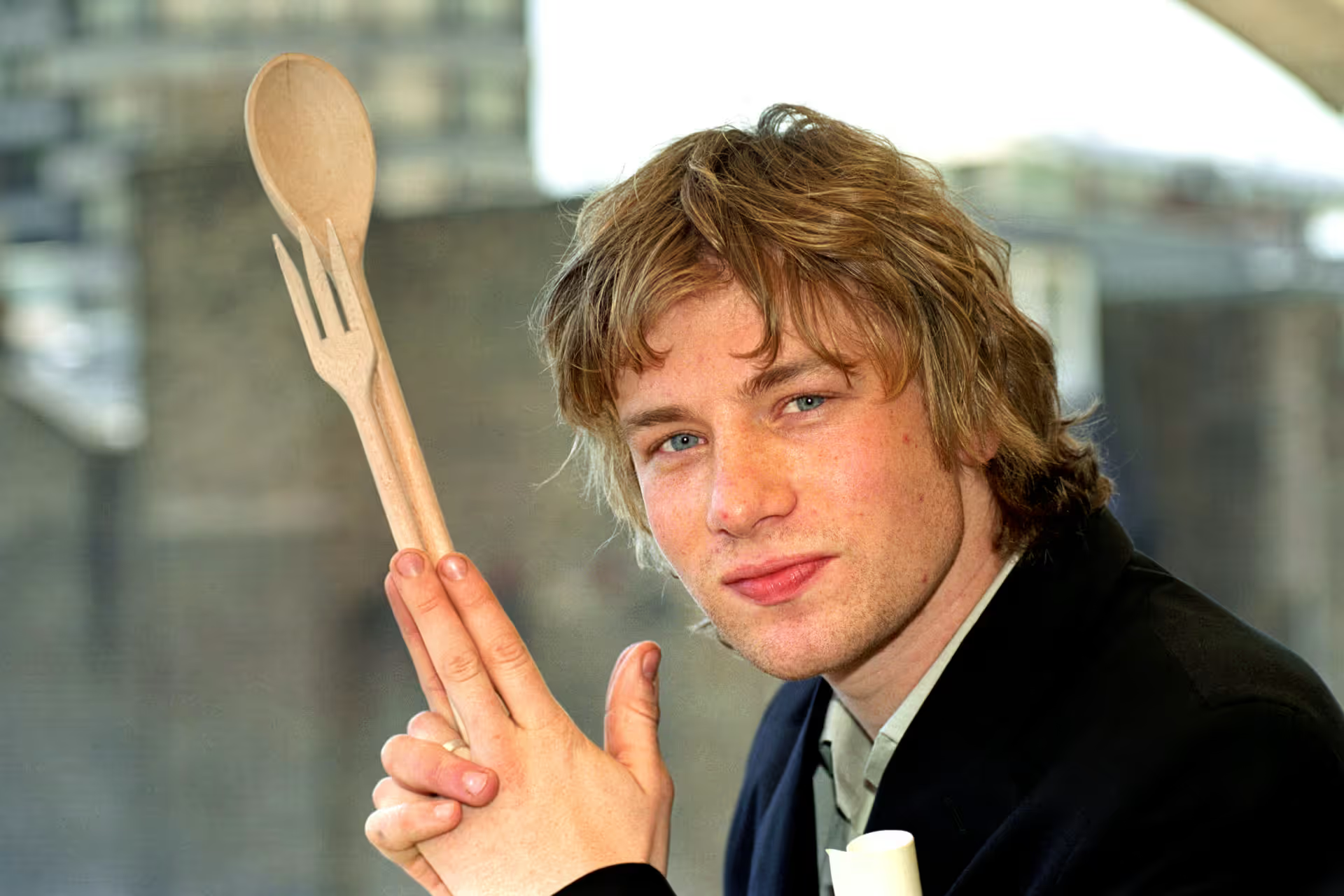
Photo by Michael Walters - PA Images/PA Images via Getty Images
This post is for subscribers only
Sign up now to read the post and get access to the full library of posts for subscribers only.