It's the school Easter holidays! I'm moving house this week! Everything is a lot! So I'm grateful Jennifer stepped in to cover this month's Nutrition In The News. This month we FINALLY have some good ice cream news (hooray!), just in time to defend school puddings. But lest you feel hopeful about literally anything, we have lots of bad news about GLP1-s, AI, and the manosphere. And yes, the dog story was fake too. Don't be mad at us, we're just the messengers. Anyway, this month is a doozy, thanks for covering it Jennifer. Catch you for Thursday's Snacky Bits team!
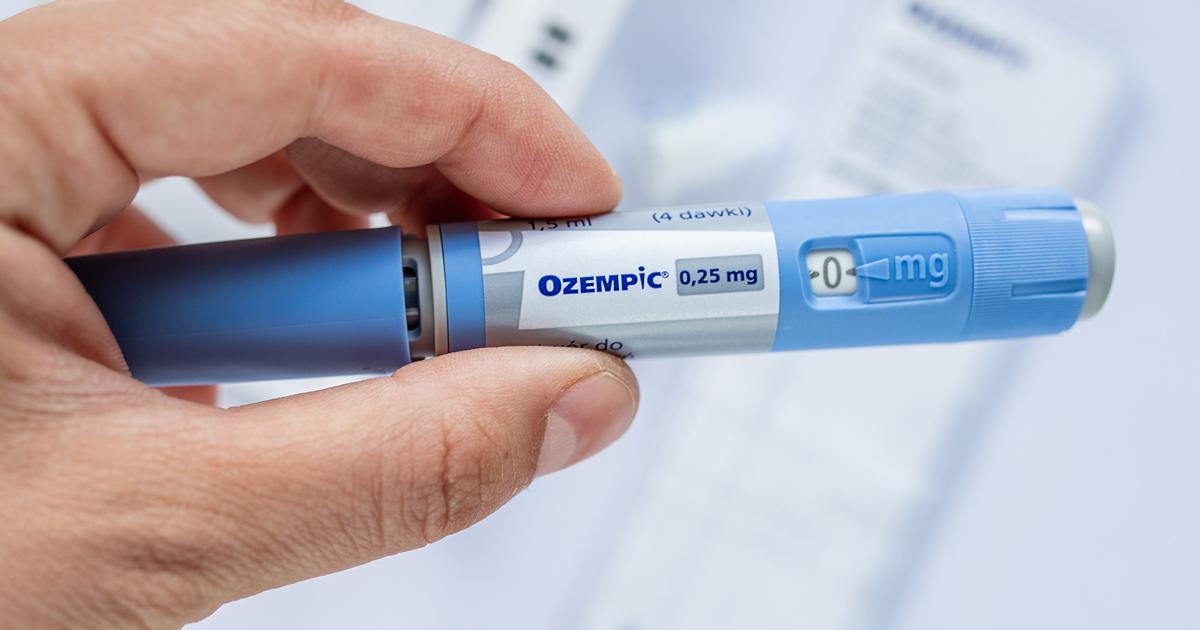
Orforglipron (what a mouthful) is an oral type 2 diabetes medication, which targets the same GLP-1 receptors as semaglutide, similarly lowering blood sugar levels, slowing digestion and suppressing appetite. It is not yet approved by UK/US/European regulators, but is being actively reviewed by the FDA, and results of a first phase 3 trial suggests orforglipron leads to greater weight loss than semaglutide in those with type 2 diabetes over the course of a year, although side effects, particularly gastrointestinal, appear greater with orforglipron - plus more research is needed into their long-term safety (duh). What the Guardian miss out from their headline is that this research and the prescribing is for those with diabetes - which points to their assumption that orforglipron will no doubt become another weight loss medication popular amongst those without diabetes. We’re now used to the broader uptake of medications originally designed for disease, being taken in pursuit of mainstream body ideals. And tablet versions of GLP-1s could become even more widespread, being cheaper and easier to store and take. Sorry that’s not better news.
Katie, interviewed in this BBC piece, has been injecting GHK-Cu for several weeks, a copper peptide which she believes is improving her stretch marks and making her hair thicker. This is despite warning labels on the peptide: ‘for research purposes only, not suitable for human consumption’. GHK-Cu is used in topical skincare, but not yet considered safe to inject due to lack of scientific research, and comes with risks of triggering potentially dangerous immune responses. Peptides are short chains of amino acids, naturally produced by our bodies, which act as cell messengers involved in all sorts of physiological functions: skin health, immune function, hormone regulation. They have been used for decades for certain medical conditions - diabetes, for example, might be managed with injectable insulin, which is one of the first peptide hormones to be discovered in 1921, and GLP-1s remember, stands for glucagon-like peptide 1, a hormone which regulates appetite. Whilst we remain cautious about the long-term safety and effects of GLP-1s, they are nonetheless licensed by the likes of MRHA (UK’s medicine watchdog), whereas other injectable peptides have not undergone similar extensive human trials and been approved by regulators, therefore peptides you can simply buy online are not subject to quality controls that govern pharmaceutical manufacturing - essentially, who knows what you are injecting into your butt. Some analyses of these peptides on sale have shown they can be contaminated with bacterial endotoxins. And yet social media has people hooked - BPC 157 for boosting muscle mass and speeding up recovery; TB 500 for inflammation and metabolic health; a peptide cocktail called ‘Wolverine’ promises superhero regenerative powers; even pop-up peptide therapy clinics, run by an A&E consultant no less. Lord help us.
The deaths of two people in Northern Ireland are believed to be potentially linked to GLP-1 injections, and have been reported to the Medicines and Healthcare products Regulatory Agency (MHRA). The two deaths are among over 500 adverse drug reaction reports submitted over the last two years from Northern Ireland concerning GLP-1s. Currently only those with type 2 diabetes who meet certain criteria can get a GLP-1 on the NHS in Northern Ireland - those outside of this criteria are accessing them privately via pharmacies, weight loss clinics, or online retailers - although a new regional ob*sity management service is due to open this year which will make GLP-1s available on the NHS in Northern Ireland for weight loss. The reports to the MHRA showed six cases of acute pancreatitis - you may remember seeing that in the news back in January when the MHRA issued a warning about the risks of acute pancreatitis with GLP-1s. Shockingly, one of the serious reports on GLP-1s to the MHRA (242 reports out of 509 were categorised as serious) related to a child aged nine or under.
Lol that the researchers can’t bear to see such an unhealthy food like ice cream linked to any health benefits. Dare the dietary guidelines actually encourage us to eat a Mr Whippy! It seems that in multiple studies of dairy intake, those who eat ice cream regularly - sometimes two or more times a week, gasp - appeared to have a lower risk of developing type 2 diabetes, and in those with diabetes, eating ice cream has been associated with lower risk of heart problems. Researchers are perplexed and would much rather be recommending yoghurt with all its live probiotics, so they’ve set about offering explanations such as reverse causation and reporting bias and committing to investigating further. The proof is in the pudding guys.
This post is free to read
Enter your email address to read this post and our library of free posts.